In unprecedented times of multiple crises and the rise of fascism, it can feel as though those of us who are working towards feminist decolonial rooted social justice models are now more than ever pushing fruitlessly against “brick walls” (Ahmed 2017) - the metaphoric walls that appear when we try to change white Western patriarchal cis-hetero- ableist norms and institutions (96-97) - in society and in our organizations.
Coordinated right-wing attacks against intersectional feminist thought in academia, both in terms of wider discussions of academic freedom and specifically against diversity, equity and inclusion (DEI) initiatives, have negatively impacted societal discourses and organizational parameters we are working within. These attacks have reopened issues that we might have thought were settled and re-organized initiatives and units within organizations in an effort to weaken them. But this is only one side of the story: within INSPIRE, we have observed that such developments affect many people's daily work. Burnout, and feelings of hopelessness, fear, and vulnerability permeate into work and life in these times of crisis - we know from Black queer feminist theory that these are a part of “living a feminist life” and of doing diversity work (Ahmed 2017).
The question becomes: how do we help care for and support each other, and survive this together? Ahmed’s work on doing diversity work in higher education institutions (2017) gives us a toolkit: books, things, tools, time, permission notes, other killjoys, humor, feelings and bodies (240-249), but how can people working with diversity and equity in higher education organizations put these into use in our everyday work?
The importance of knowledge-sharing, working in solidarity and supporting each other
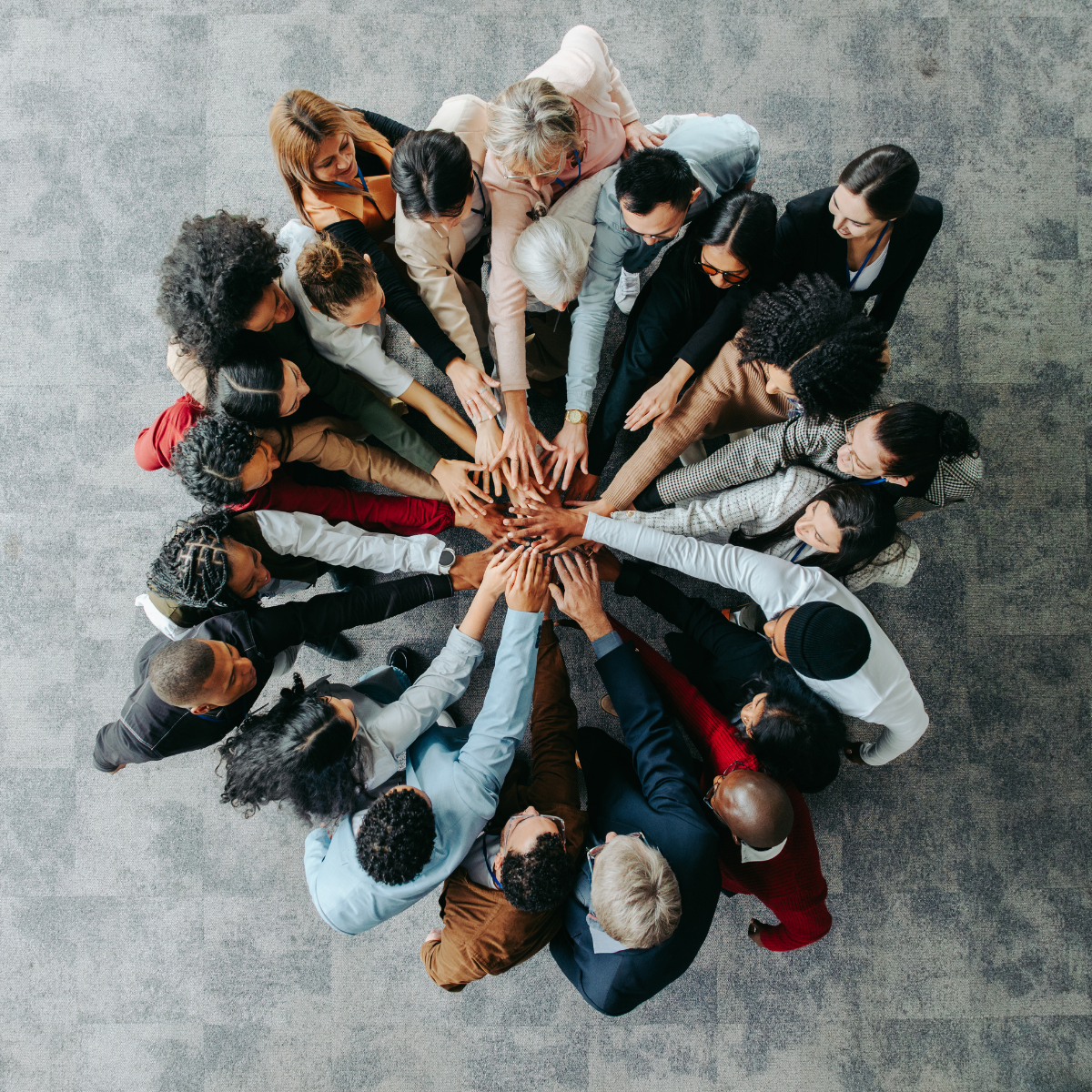
In times of crisis, nurturing conversations across positionalities and localities is crucial for fostering knowledge sharing and developing coordinated counter-efforts, while also importantly supporting feminists in avoiding burnout and isolation—here, intersectional community building becomes paramount.
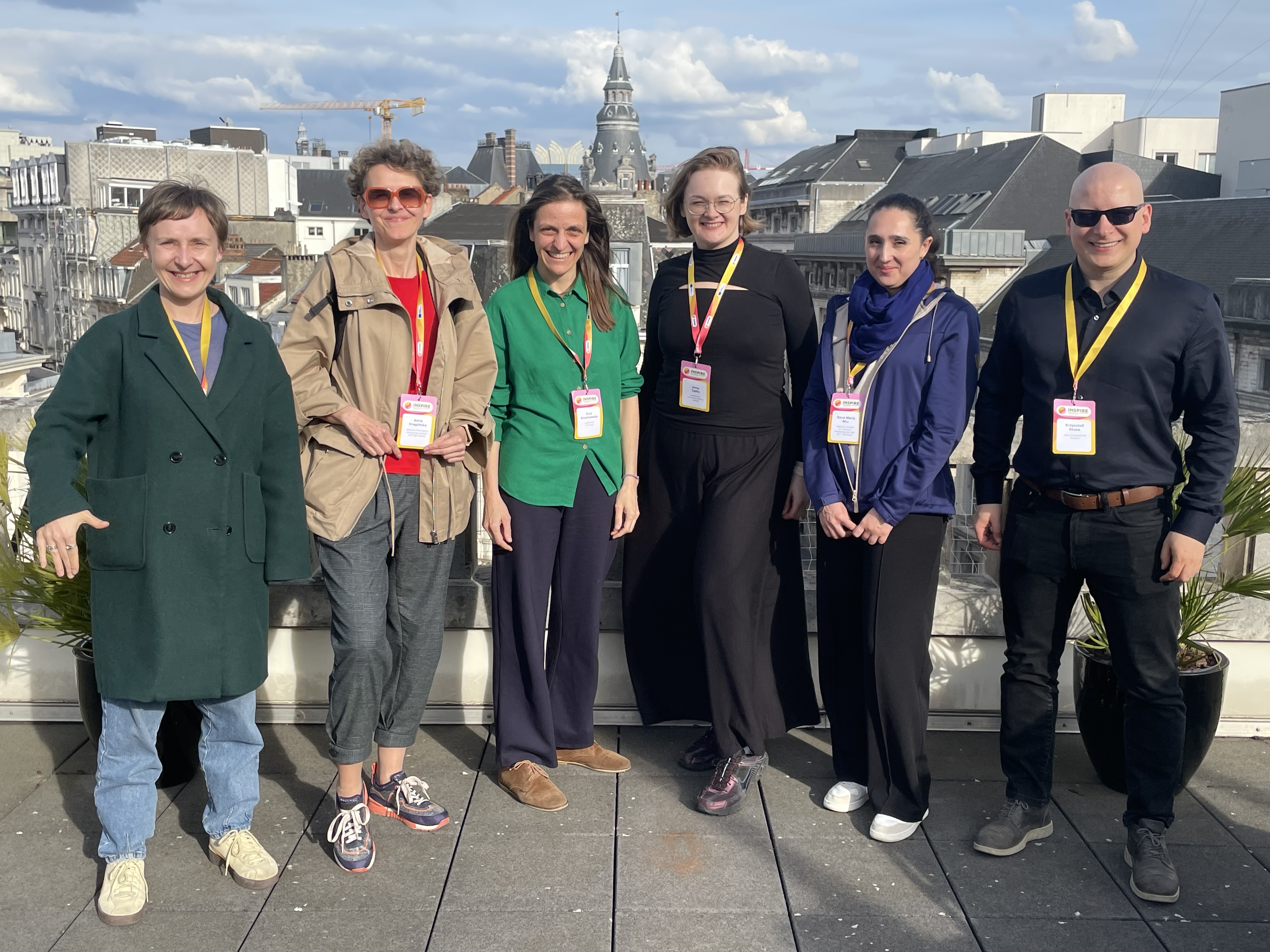
In the beginning of INSPIRE, we designed the project around our 12 Communities of Practice, where knowledge sharing, working in solidarity and finding new niches for collaboration and resistance were placed front and center. In the last few years, with crisis after crisis, we’ve seen how these communities have been paramount in, not only knowledge sharing, but particularly in working more intentionally and in a more organized and solidaristic way with other institutions. They have taken inspiration from each other, but also made sure that other people’s perspectives, work, and initiatives are supported and amplified, working together towards a shared goal. In building and supporting our CoPs, this work has also pushed us to work more with the – often – heavy and taxing affective everyday work that goes into doing diversity work, especially for DEI practitioners and killjoys in universities who are themselves minoritized; brick walls become an exhausting ever-present barrier that we need support in handling. Our knowledge exchanges and CoP work have created a space of recognition and care to share how difficult it can be to constantly meet brick walls and how we strategically handle coming up against them.
Sparking joy in finding new niches for collaboration and resistance
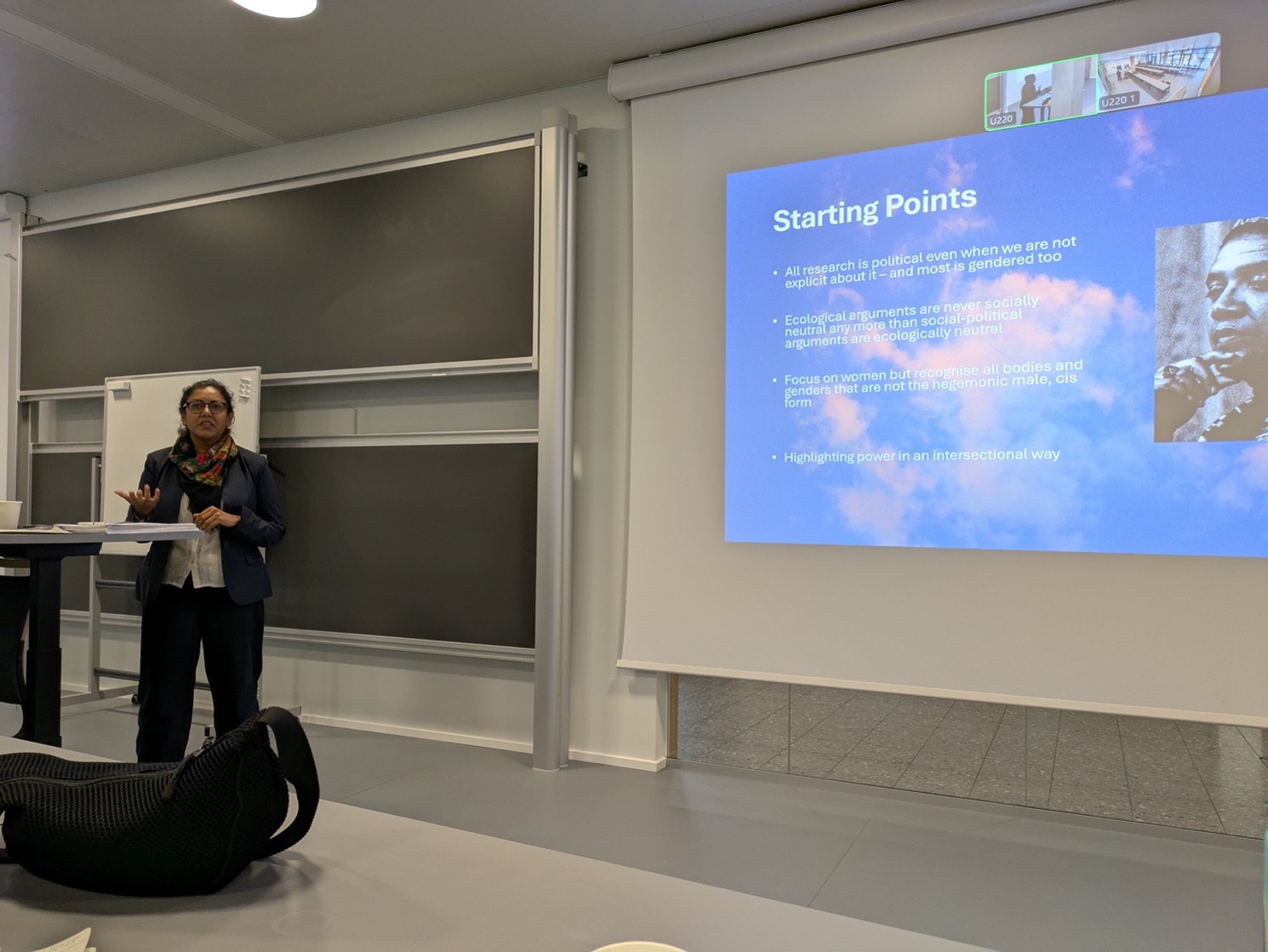
Our communities of practice have also given us the opportunity to explore new niches for collaboration and resistance that often spark enthusiasm and joy, giving important, renewed energy to the work we do. For example, here at SDU, the GAIA CoP, comprised of interdisciplinary post-doctoral climate scientists, organized a workshop titled Unlocking Potential, Ensuring Inclusion: Why Gender and Diversity Matter in Environmental Research and Innovation. Professor Emerita in Sustainable Engineering, Anastasia Zabaniotou from the Aristotle University of Thessaloniki (who is also council member of WREN/WREC - World Renewable Energy Network and Congress in the UK), and Associate Professor Vasna Ramasar in Human Geography at Lund University, were invited as special speakers.
The workshop allowed for a space where early career researchers in the GAIA project could explore why gender and diversity matter in environmental research and innovation; learn how to employ intersectional perspectives to spark new scientific insights; how to tackle systemic inequalities intensified by climate change; and how to work towards research that is both sustainable and socially just. Through the multidisciplinary discussions of the day, the CoP members found energy and joy to face the environmental challenges of the present and future with a better awareness of the intersectional gender aspects that characterize them.
Conclusion: Towards a collective survival strategy
In these intersecting times of crisis, our capacity to nurture intersectional solidarity within academia is not only a political imperative but a collective survival strategy. The experiences within INSPIRE’s Communities of Practice demonstrate that when we cultivate spaces of mutual recognition, shared strategizing, and affective support, we actively counter the fragmentation and exhaustion produced by systemic resistance to intersectional feminist perspectives and to diversity work. These communities remind us that even when brick walls seem immovable, we can push back by pressing against them together – redistributing the emotional labor, amplifying each other’s efforts, and sparking renewed energy through joyful and justice-oriented collaborations. By grounding our work in feminist intersectional care, coalition-building, and the ongoing exchange of knowledge and tools, we not only sustain ourselves but continue to imagine and enact more equitable futures within and beyond our institutions.
References
Ahmed, S. (2017). Living a Feminist Life. Duke University Press.
By: Molly Occhino, University of Southern Denmark