Advancing inclusive gender equality in research and innovation is closely tied to how academic careers unfold in real institutional settings. Questions of fairness and career progression are shaped not only by instituional commitments, but by the norms and decisions that guide hiring, and career development across research organisations.
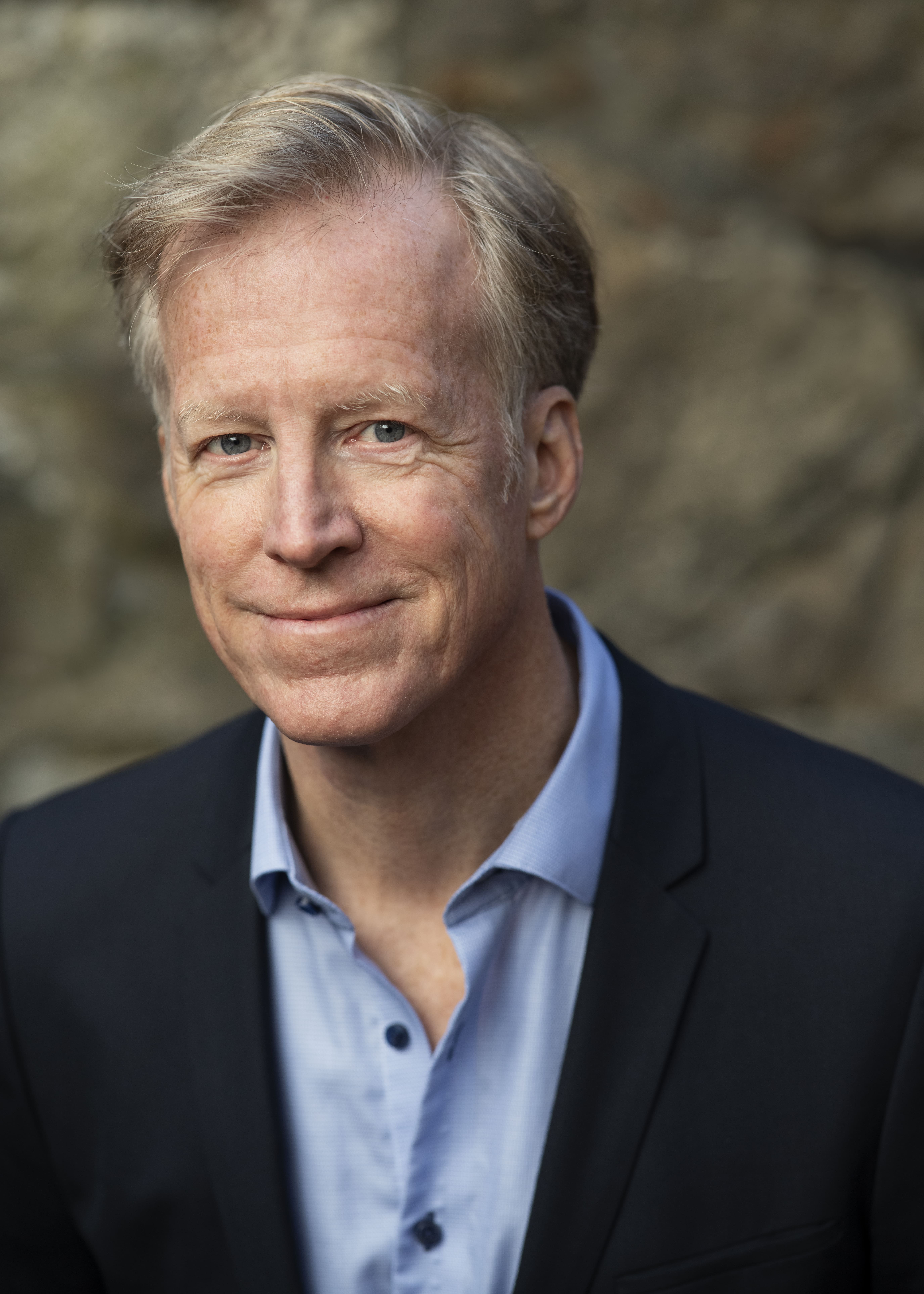
In this INSPIRE interview, Prof. Curt Rice, Director for cOAlition S, reflects on gender equality in academia through his experience with recruitment, promotions, grant processes and publishing dynamics. His responses point to the cultural shifts, and practical actions that can support more inclusive and sustainable research environments.
Rethinking Culture and Competition
Looking ahead 10–20 years, what major cultural or structural changes do you believe are necessary to achieve inclusive gender equality in research and innovation?
CR: “I suppose the broadest cultural change that is necessary to achieve gender equality in research is achieving it in other areas of ‘daily life’, including gender equality at home, in school, according to the law, and more. Limiting myself more specifically to academia, I think one important cultural change that could help is an increased focus on cooperation instead of competition. As research groups become larger and larger, they will be more diverse. But that diversity has to permeate the different areas of responsibility for pursuing research and achieving results. This cultural change must lead to visibility for all participants in a group and for opportunities for all participants to work together to conceive, carry out and promote the work of the group.”
Prof. Rice situates the pressing questions regarding gender equality not solely in the academic context, but approaches it first and foremost from a broader, societal perspective. His emphasis on cooperation leads naturally to a discussion of how excellence and merit are defined within competitive systems, and how these concepts shape decision-making.
How should institutions rethink or redefine concepts such as “excellence” and “merit” to make them more inclusive?
CR: “This is a difficult question. I think part of the way to move forward is to illustrate the subjectivity that lies in these concepts and then pursue a discussion of the consequences of subjective decision making. At the same time, it’s difficult to sell the idea that excellence and merit can only be determined in a context full of biases.”
What long-term strategies do you believe are most effective for addressing entrenched biases across the research career pipeline?
CR: “All structure is good structure! The further we can move away from proxies for quality (eg journal IF, or number of grants, etc), the better it is for individual careers. But this requires evaluations that are much deeper and take much more time.”
You point out that “All structure is good structure”, in your view, what institutional structures are missing or underutilised that could enable fairer recruitment and career progression pathways?
CR: “One thing that is common in the US that is absolutely uncommon in Europe is an expectation or even requirement that a newly minted PhD cannot continue working at the same institution. There is variation by field and variation regarding positions such as postdocs, but it is highly unusual for someone to finish their degree or a postdoc somewhere and then slide into a tenure-track position at the same institution. That doesn’t solve all problems, but it does cut down on the most local forms of cronyism.”
If you could redesign one aspect of institutional culture to foster justice and inclusion, what would it be and why?
CR: “Most institutions seem to have moved away from having research funds directly available to their faculty members and instead require competition for everything, either internally or externally. It is exactly in these competitive situations that biases, networks, and all the challenges we know about pop up. If we could have a broader conception of the responsibility required by an institution when hiring – for example to make an initial investment that will get them through their first few years as a professional researcher, I think we would be taking a step in the right direction.”
From Structural Reform to Practical Action
Moving from long-term transformation to day-to-day practice, the discussion turns to what can be done immediately within teams and institutions.
From your own experience, can you share one concrete action or practice that you (or your team) have implemented to reduce bias or promote gender equality in research and innovation?
CR: “First of all, we acknowledge that bias and gender inequality are there. Then we acknowledge that different individuals have different needs – some need modest investments in equipment; some need e.g. statistical support; some need ‘language washing’ on their articles; some need more concentrated blocks of writing time. Then we try to organize teaching and other responsibilities, and the use of resources, in ways that can meet these individual variations that are behind the groupwise differentiation.”
Taken together, Prof. Rice’s reflections underline that advancing inclusive gender equality in research is not a single reform, but an ongoing process of institutional learning and adjustment. From rethinking competition and evaluation to recognising individual needs in resource allocation, his responses point to the importance of deliberate structure, and context-sensitive decision-making. Rather than relying on isolated initiatives, progress emerges through consistent attention to how careers are supported and assessed across the research system.