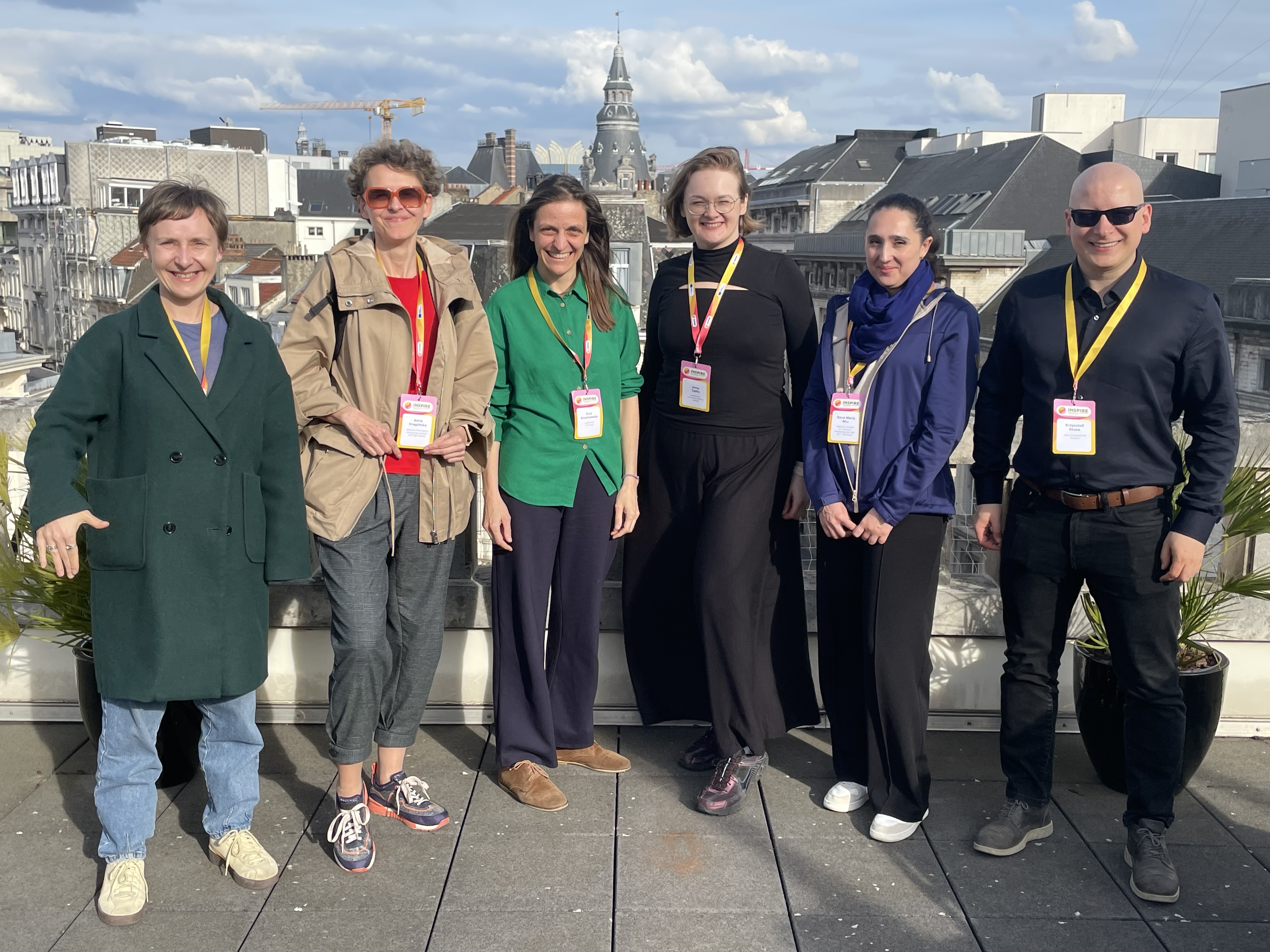
Advancing inclusive gender equality in research and innovation requires sustained attention to how institutions recruit, support and retain talent over time. While long-term strategies set the direction, progress is often shaped by the resilience of programmes, the coordination between institutions and the ability to respond to local contexts within broader research systems.
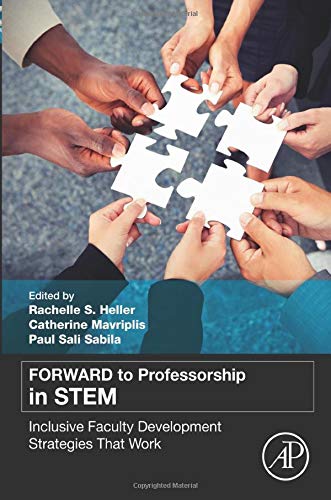
Dr Rachelle S. Heller of George Washington University reflects on her experience in recruiting and retaining women in STEM, particularly in computer science. Drawing on her involvement in national initiatives and institutional programmes aimed at broadening participation, she discusses the structural shifts, cultural considerations and practical approaches needed to foster more inclusive research and innovation environments.
Resilience and Long-Term Cultural Change
Looking ahead 10–20 years, what major cultural or structural changes do you believe are necessary to achieve inclusive gender equality in research and innovation?
RH: “I believe that being resilient in the face of political and social wind changes is key. Being resilient means having projects that are not too politically dependent for funding, as seen by the general community as impactful and addressing new members of the science society.”
Dr Heller’s emphasis on resilience frames gender equality as an ongoing effort that must withstand shifting political and institutional priorities. This perspective leads naturally to questions about how success is defined within research systems and how traditional metrics may overlook less visible dimensions of inclusion.
How should institutions rethink or redefine concepts such as “excellence” and “merit” to make them more inclusive?
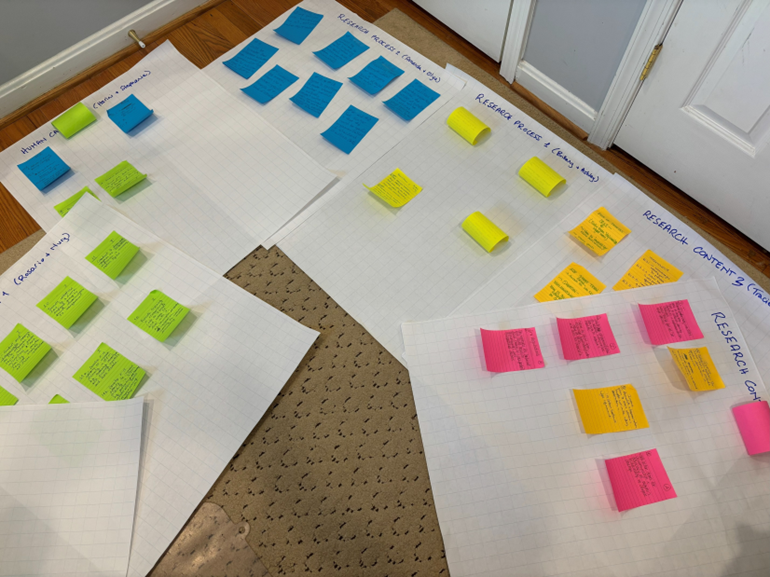
RH: “Both excellence and merit, I believe, are beyond counting. We need to consider what might be uncountable features and these are often described as ‘affect’. How less stressed are women in their total role -not just as scientists, but as members of the society – financially, socially, etc might be a sample of how to measure excellence”
Questions about merit and evaluation open onto the broader issue of how institutions address entrenched bias across the research career pipeline. Rather than relying on fixed models, Dr. Heller points to the importance of continuous reflection and coordination across systems.
What long-term strategies do you believe are most effective for addressing entrenched biases across the research career pipeline?
RH: “The ‘best’ long term strategy is to continue to revisit the impact of a current program and coordinate with best practices from similar sources. What works in an emerging nation might not work in a global leader, but comparing similar environments is a better way to go. Losing the thinking ‘that we have always done it this way’ and being open minded to change. Finally, looking at the embedded and related nature of the agencies (universities, research institutes, funding bodies etc.) to be sure one is working in coordination with the others. Nothing should exist in a vacuum.”
So, if you could redesign one aspect of institutional culture to foster justice and inclusion, what would it be and why?
RH: “Silos. We do not talk enough across the silos in an institution .”
From Systemic Thinking to Practical Implementation
Having outlined the structural and cultural dimensions of change, the conversation moves toward concrete practices that can be implemented within teams, programmes and institutional initiatives. The focus turns to how national efforts and local adaptations can work together to support more inclusive participation in research.
From your own experience, can you share one concrete action or practice that you (or your team) have implemented to reduce bias or promote gender equality in research and innovation?
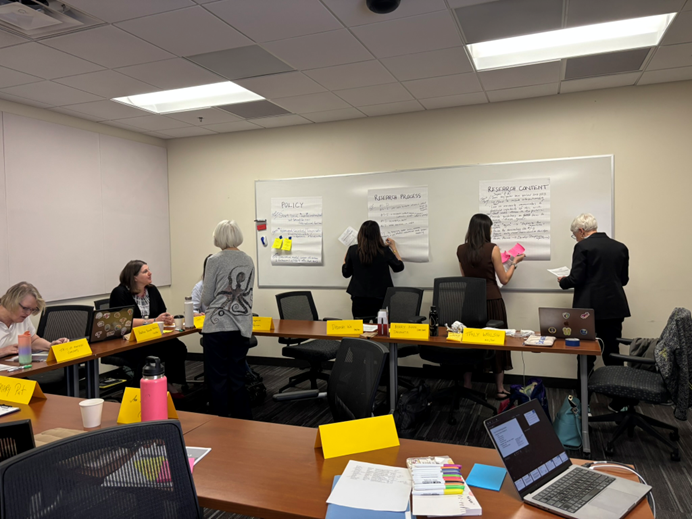
RH: “There is a famous statement in US politics ‘ all politics is local”. While one project built a national workshop to bring young academics onto a positive path for advancement. The spin off project provided local groups with funds to adapt or adopt the national model to the nuances of a local problem. While the national workshop brought women together from many areas of science and engineering and various entry level positions, the local models addressed the cultural, academic and social needs of a specific area in science or a specific cultural group. Both national models and local implementation, work hand in glove. The local groups rarely have the funds or time to development a workshop model, the national group cannot address the specific nuances necessary for success in each area of science and/or group”
This emphasis on local adaptation highlights the importance of context when evaluating institutional progress and identifying effective models across different countries and research environments.
Can you point to a specific institution or country that you think has taken effective action on gender equality in research and innovation, and briefly explain what they have done well?
RH: “I think that the big challenge for my country is the lack of a national strategy. Most countries are more homogenous than mine. That helps them take effective action. Many countries come to mind – the UK, Japan to name just two.”
Closing the discussion, Dr Heller returns to the importance of collaboration across scales, underlining that sustained progress depends on linking global exchange with targeted local support.
RH: “I would urge mighty efforts to bring groups together from around the world paired with even mightier efforts to provide targeted support for local initiatives.”