If we want stronger institutions, we need stronger structures and healthier cultures. But a central question remains: how should we fund this change?
Jonathan Dawes, Professor of Applied Mathematics at University of Bath, has explored the interlinkages between the United Nations Sustainable Development Goals (SDGs). His research highlights an important imbalance: while Sustainable Development Goal 5: Gender Equality contributes to progress across many other goals, it receives comparatively less support from them in return. This finding suggests that gender equality should be prioritised for direct and targeted action.
Professor Dawes also emphasises that gender-related issues appear across multiple SDG targets and indicators. Recognising these connections highlights the need for carefully disaggregated data when monitoring SDG progress.
His insights draw attention to the wider research ecosystem, and particularly to the influential role of national research funders in shaping priorities, and supporting research that advances gender equality.
Q: What major cultural or structural changes do you believe are necessary to achieve inclusive gender equality in research and innovation?
JD: Research funders, both public agencies and independent charities and foundations, generally work very closely with research institutions in order to ensure that their requirements around research practice (from research integrity to biohazards) are proportionate and effective. But there are always opportunities for funders to incentivise behaviours they wish to see by varying these requirements. In the UK one example of this is the re-scoping and adjustment of the weighting for the ‘research environment’ part of the next national Research Excellent Framework exercise (due in 2029), increased to 20% of the assessment weighting (for “Strategy, People and Research Environment - SPRE”) compared to 15% for “Research Environment” in the 2021 REF. The scope of SPRE makes the commitment of the REF exercise to EDI clearer, and the increased weighting increases the financial incentives available. Careful use of structural financial levers like this should enable greater cultural change while preserving shared ownership of the changes between funders and research-performing organisations.
Q: What long-term strategies do you believe are most effective for addressing entrenched biases across the research career pipeline?
JD: First, over the longer term, having more women in visible leadership roles feels essential. Second, I would point to enabling much greater flexibility in career paths, for example achieving much more exchange between roles in academia and the private and public sectors, in order to break up ideas of ‘linear’ career journeys. Third, we must put in more effort to ensuring that researchers can re-engage with their careers after career breaks – I can see that progress is being made on this, but it needs more commitment from institutions of all kinds: universities, learned and professional societies, and funders.
Finally, data collection is a key enabling factor - not quite a ‘quick win’ in itself, but something that needs to improve further, starting right now, to build the evidence base across time to reveal trends and to quantify outcomes.
Q: What institutional structures are missing or underutilised that could enable fairer recruitment and career progression pathways?
JD: From many directions, I’ve seen increased interest in recognising and promoting a diversity of career pathways within universities. Universities are moving at different rates on this, but overall it’s a shift in institutional structures that, I feel, will result in recognition of wider sets of skills, and this should also enable fairer career progression. So I’d encourage more universities to take the time to design career progression for Research Technical Professionals, Knowledge Exchange staff, Research Managers, and other similar groups for which these career pathways may be incomplete or missing.
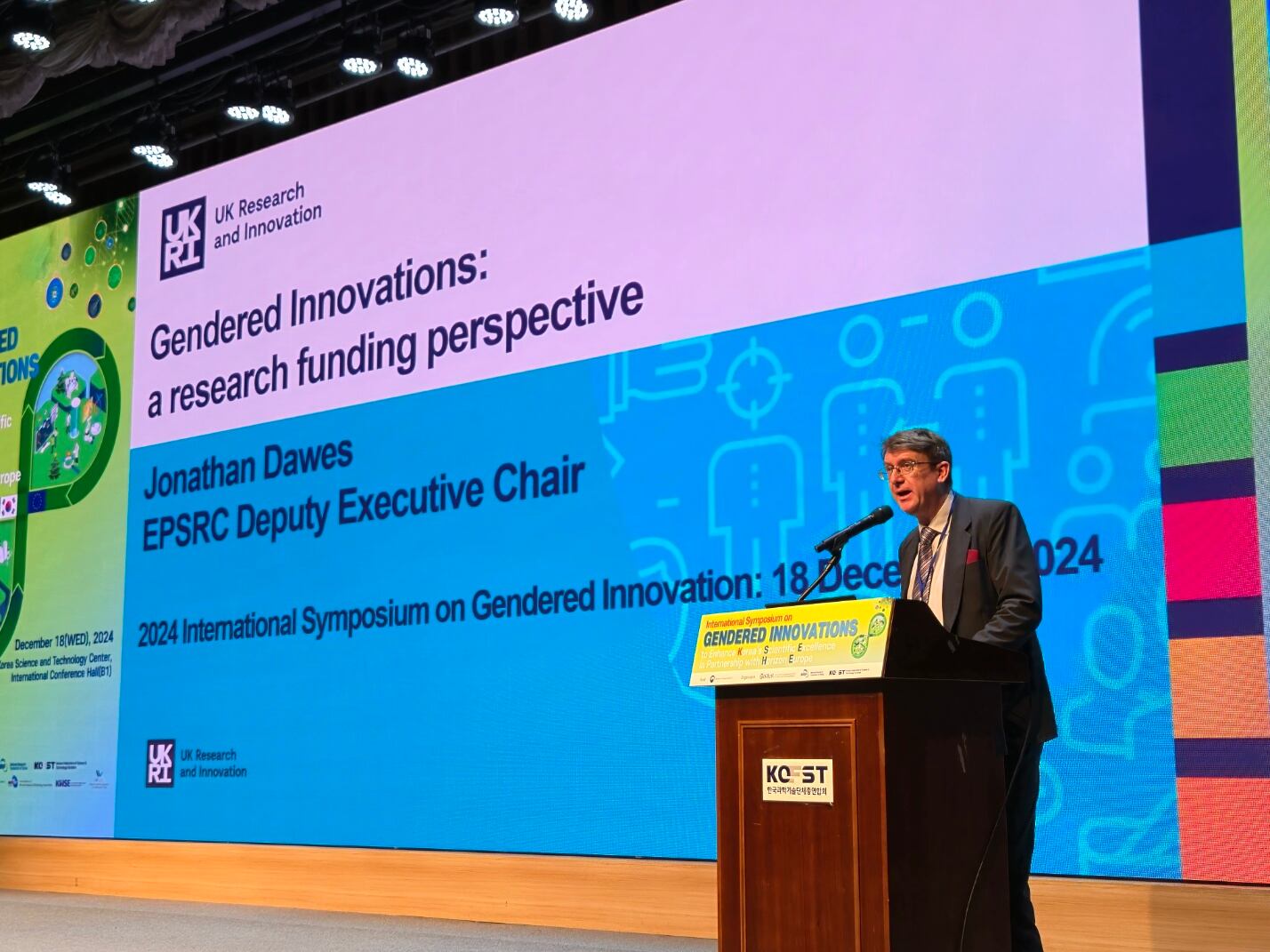
Q: How should institutions (universities, research institutes, funding bodies etc.) rethink or redefine concepts such as “excellence” and “merit” to make them more inclusive?
JD: I feel that an expansion of what “excellent” means is currently underway: for example a greater focus on community contributions (meaning both contributions to one’s own scientific community and also to wider audiences). In the UK we are talking more about, and adopting, Narrative CVs which allow researchers to describe a broader range of experiences and moving firmly away from bibliometrics as the basis for describing research as “excellent”. Even in mathematics, the need for community and ‘team science’ approaches are becoming better recognised, with consequent positive impacts for inclusion.
Q: If you could redesign one aspect of institutional culture to foster justice and inclusion, what would it be and why?
JD: Take mentoring more seriously. I feel there’s great potential to use mentoring to open up new career possibilities, support staff who need it, but also to give colleagues at all career stages the confidence to contribute in new ways that interest them.
Q: From your own experience, can you share one concrete action or practice that you (or your team) have implemented to reduce bias or promote gender equality in research and innovation?
JD: Acknowledge the contributions made by those designing and leading change within a university, department, research institute, or research group. In practical terms, we should recognise and celebrate individuals leading that work, and also ensure that their workloads are managed to explicitly take this into account.
Q: Can you point to a specific institution or country that you think has taken effective action on gender equality in research and innovation, and briefly explain what they have done well?
JD: Within the UK, the Athena SWAN programme has prompted many universities and research institutes to improve. I’m sure the competitive element of seeing awards go to peer organisations has, in the UK context, helped to drive up adoption rates. It also creates a virtuous circle, raising the profile of the Athena SWAN scheme itself. Of course, Athena SWAN and similar programmes exist in other countries – every R&I ecosystem should have a programme like that.
Sometimes the problems, and the solutions that we reach for, can appear quite nationally-focussed but the issues are similar across the globe, so maintaining and indeed increasing the international dimension to gender equality conversations is essential.