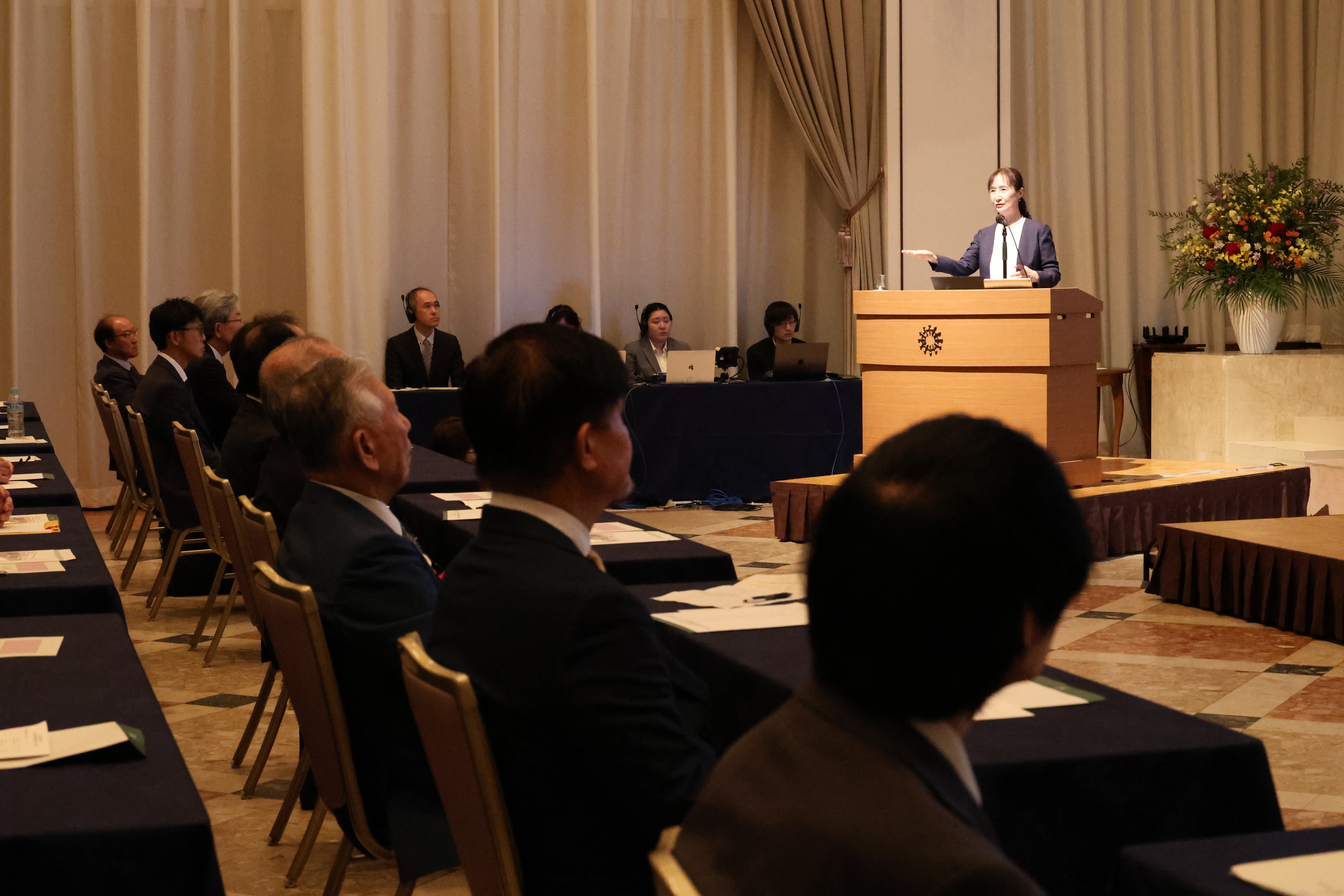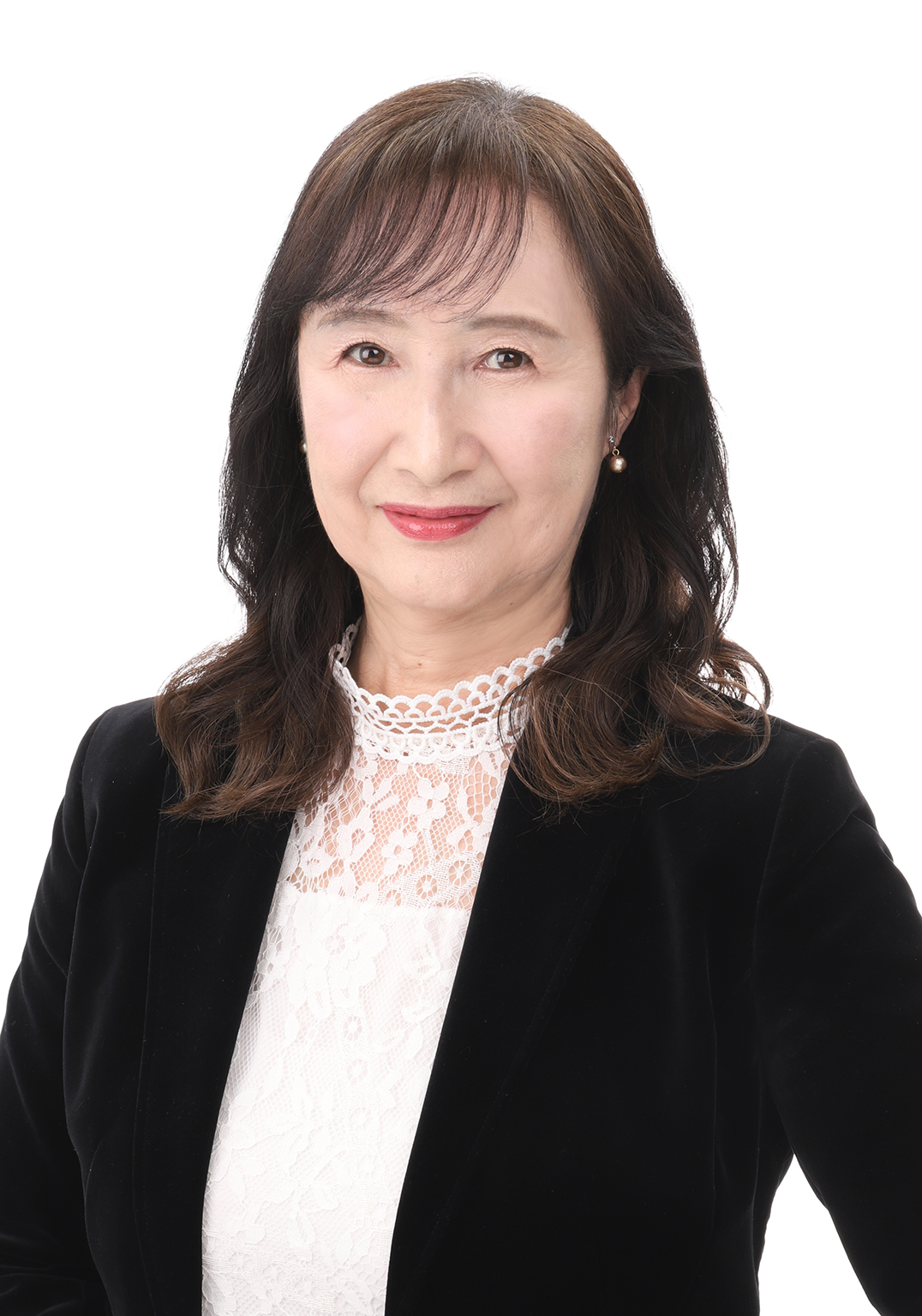
“It is necessary to respect and understand the thoughts of each region and to integrate each of their ideas” – says Dr. Miyoko O. Watanabe (Nihon University, Japan). At the same time, Dr. Watanabe emphasizes that building an evidence base and supporting strategy with data is crucial for sustainable institutional transformations. For equitable institutions, we need to focus not only on women’s careers but embrace an intersectional approach and consider everyone involved.
Dr. Miyoko O. Watanabe has extensive experience in semiconductor physics research at the Toshiba R&D Center in Japan. She also conducted research as a Postdoctoral Fellow at Dalhousie University, Canada (1986–1988), and as a Visiting Researcher at the University of Birmingham, U.K. (1997). Returning to Toshiba, she worked as Senior Research Scientist, then served as Chief Specialist in the Audit Division and Executive Quality Leader in the Innovation Division at Toshiba headquarters.
In 2013, Dr. Watanabe joined the Japan Science and Technology Agency (JST), serving as Executive Director and Director of the Office for Diversity and Inclusiveness.
She was a Council Member of the Science Council of Japan (SCJ) from 2011 to 2020, serving as Vice President from 2017 to 2020. She also served on the Specialist Committee on Gender Equality in the Council for Gender Equality of the Japanese Cabinet Office from 2014 to 2021. She currently continues as a member of the SCJ.
Since October 2022, Dr. Watanabe has been Executive Trustee at Nihon University, where she leads general planning, diversity, and internationalization. In 2022, she founded Wood Deck, a nonprofit organization supporting the development of young researchers, and serves as its President and CEO.
Q: Looking ahead 10–20 years, what major cultural or structural changes do you believe are necessary to achieve inclusive gender equality in research and innovation?
MW: The ideal structure would be one that benefits everyone, rather than one that only favours a part of certain people, such as women, and changes are needed to achieve this.

Q: How should institutions (universities, research institutes, funding bodies etc.) rethink or redefine concepts such as “excellence” and “merit” to make them more inclusive?
MW: It is necessary to consider this based on data. Currently, discussions are often based on comparing the gender ratio, and analysis is lacking. We need to analyze the root causes of the current situation more thoroughly and consider next steps.
Q: What long-term strategies do you believe are most effective for addressing entrenched biases across the research career pipeline?
MW: We need to investigate the causes of why prejudice and biases persist and think about it based on the results. Simply saying “biases and prejudice are unacceptable” will not lead to change.
Q: In your view, what institutional structures are missing or underutilised that could enable fairer recruitment and career progression pathways?
MW: It is important to include a diverse range of people at decision-making levels, including not only women but also young people and people with disabilities.
Q: If you could redesign one aspect of institutional culture to foster justice and inclusion, what would it be and why?
MW: Justice, equity and inclusion are different. We must carefully understand the meaning of each before proceeding. Justice is perceived in different ways by different people, so it is difficult to reach a unified view. What justice is should be discussed among many people. Equity is something we should pursue now and in the future. Inclusion is an indirect element of diversity but is a necessary element for achieving equity.
Q: From your own experience, can you share one concrete action or practice that you (or your team) have implemented to reduce bias or promote gender equality in research and innovation?
MW: Nihon University, the largest university in Japan, has issued a diversity declaration. The declaration states that they will not only respect diversity among people, but also diverse cultures, ways of learning and working, and operate a flexible organization that promotes education and research in a variety of fields, raise awareness of diversity, improve the environment, and build an appropriate support system. They also emphasized that diversity is not just for women. To share this concept with many people, the declaration was discussed in symposiums and workshops.